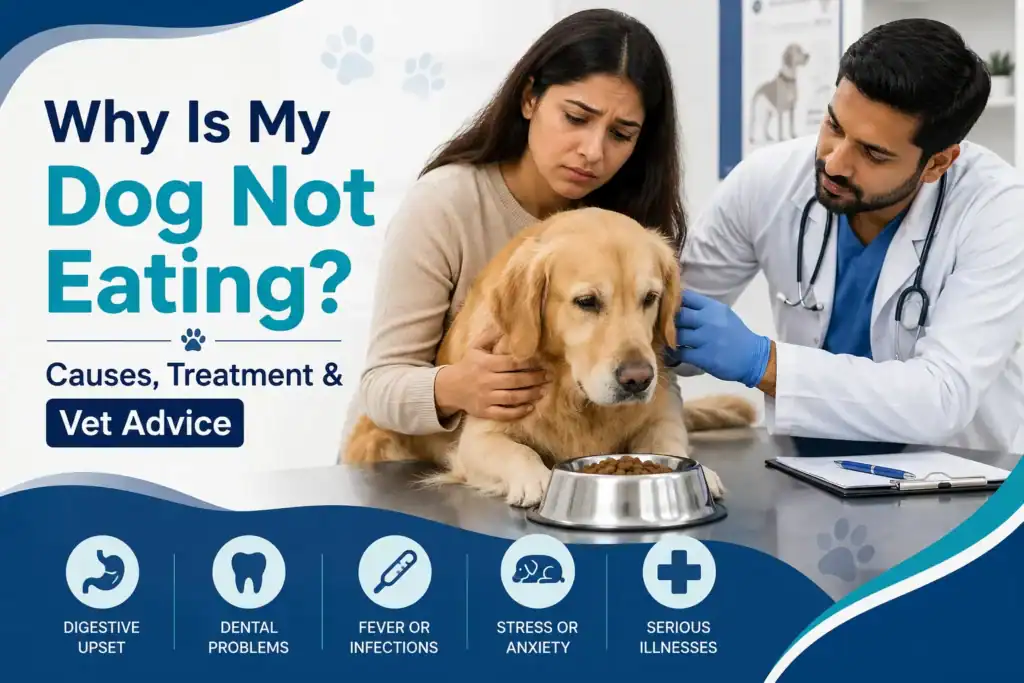
Watching your dog ignore its favourite meal can be worrying. Whether it’s a playful puppy refusing breakfast or a senior dog suddenly losing interest in food, loss of appetite (anorexia or hyporexia) is often one of the earliest signs that something isn’t right.
Thank you for reading this post, don't forget to subscribe!While a healthy dog may occasionally skip a meal due to excitement, stress, or a change in routine, refusing food for more than 24 hours is never considered normal for an adult dog. For puppies, even 12 hours without eating can become serious because they have smaller energy reserves and are more prone to dehydration and low blood sugar.
Many pet owners search online for questions like:
- Why is my dog not eating?
- My dog is not eating but drinking water.
- My puppy is refusing food.
- Why is my dog suddenly not interested in food?
- Should I take my dog to the vet if it won’t eat?
The answer depends on your dog’s age, breed, medical history, accompanying symptoms, and how long the appetite loss has lasted.
This comprehensive guide explains the most common causes, how veterinarians diagnose the problem, treatment options, and when it’s time to seek immediate medical attention.
Problems:
If your dog refuses food for more than 24 hours, or your puppy refuses food for more than 12 hours, you should contact your veterinarian.
Immediate veterinary attention is needed if the appetite loss is accompanied by:
- Vomiting
- Diarrhoea
- Difficulty breathing
- Collapse
- Seizures
- Abdominal swelling
- Continuous drooling
- Pale gums
- Blood in vomit or stool
These symptoms may indicate a serious medical emergency requiring urgent treatment.
Is It Normal for Dogs to Skip a Meal?
Sometimes—yes.
Dogs, like humans, can occasionally eat less than usual.
Minor appetite loss may occur because of:
- Hot weather
- Stress
- Travelling
- Vaccination
- Minor stomach upset
- Excitement
- Changes in feeding routine
However, persistent refusal to eat should never be ignored.
Unlike people, dogs rarely stop eating without a reason. Appetite is strongly regulated by the brain, digestive system, hormones, and overall health. When one of these systems is affected, eating behaviour changes quickly.
Decision Tree: What Should You Do If Your Dog Isn’t Eating?
Situation 1: Your dog skipped one meal but is active.
Monitor for the next 12–24 hours. Offer fresh water and continue observing.
Situation 2: Your dog is drinking water but refusing food.
This may indicate stomach upset, dental pain, fever, or an underlying illness. Book a veterinary consultation if the appetite loss continues.
Situation 3: Your dog refuses food and is vomiting.
This requires prompt veterinary attention. Vomiting combined with appetite loss can indicate poisoning, pancreatitis, intestinal obstruction, or infection.
Situation 4: Your puppy refuses food.
Puppies should never go long without eating. Seek veterinary advice the same day, especially if the puppy is lethargic or vomiting.
Situation 5: Your dog hasn’t eaten for more than 24 hours.
Schedule an examination immediately to identify the underlying cause before complications develop.
Why Do Dogs Stop Eating?
Appetite is influenced by several body systems, including:
- Brain and nervous system
- Mouth and teeth
- Digestive tract
- Liver
- Kidneys
- Hormones
- Immune system
Any disease affecting these systems may reduce your dog’s appetite.
Below are the most common causes.
1. Digestive Upset (The Most Common Cause)
One of the leading reasons dogs stop eating is a simple digestive upset.
Dogs are naturally curious and often eat things they shouldn’t, including spoiled food, table scraps, plastic objects, grass, or garbage. These can irritate the stomach and intestines, causing nausea, vomiting, and a temporary loss of appetite.
Common triggers include:
- Sudden diet changes.
- Fatty or spicy human foods.
- Eating too quickly.
- Food intolerance.
- Mild bacterial infections.
- Dietary indiscretion (“garbage gut”).
Signs to watch for
- Lip licking
- Excessive swallowing
- Vomiting
- Soft stools
- Diarrhoea
- Restlessness
- Eating grass
- Mild lethargy
In many mild cases, dogs recover within 24 hours with appropriate veterinary guidance. However, persistent vomiting or diarrhoea requires immediate evaluation to rule out dehydration, pancreatitis, or intestinal obstruction.
2. Dental Disease: One of the Most Overlooked Causes
Many pet owners assume their dog isn’t hungry, when the real problem is pain.
Dental disease affects a large proportion of adult dogs and often progresses silently. Dogs may still approach the food bowl because they feel hungry, but the pain of chewing causes them to stop eating after the first bite.
Common dental conditions include:
- Periodontal disease.
- Gingivitis.
- Tooth fractures.
- Loose teeth.
- Oral infections.
- Mouth ulcers.
- Oral tumours.
Symptoms
- Bad breath.
- Dropping food while chewing.
- Bleeding gums.
- Pawing at the mouth.
- Excessive drooling.
- Swelling around the jaw.
- Preferring soft food over kibble.
If left untreated, bacteria from severe dental infections can spread into the bloodstream and potentially affect the heart, kidneys, and liver.
A thorough oral examination by a veterinarian, followed by professional dental cleaning or treatment if necessary, can restore comfort and improve your dog’s appetite.
3. Stress, Anxiety and Behavioural Changes
Dogs are creatures of habit. Even small disruptions to their routine can affect their appetite.
Stress-related appetite loss is especially common after:
- Moving house.
- Boarding in kennels.
- Introducing a new pet.
- Fireworks or thunderstorms.
- Loud construction work.
- Long-distance travel.
- Separation from family members.
Some dogs may refuse food for a day while they adjust, but prolonged appetite loss should always be investigated to rule out medical conditions.
Creating a calm, predictable environment and maintaining regular feeding times can help reduce stress-related appetite changes.
4. Recent Vaccinations
A mild decrease in appetite can occur after routine vaccinations as the immune system responds to the vaccine.
This temporary reaction usually lasts no more than 24 to 48 hours and may be accompanied by:
- Mild tiredness.
- Low-grade fever.
- Reduced activity.
If your dog develops severe swelling, persistent vomiting, breathing difficulties, or refuses food for longer than two days after vaccination, contact your veterinarian immediately.
5. Intestinal Parasites
Parasites are one of the most common causes of appetite changes in puppies and young dogs.
Roundworms, hookworms, whipworms, and tapeworms interfere with nutrient absorption and irritate the digestive tract.
Dogs with intestinal worms may show:
- Weight loss.
- Pot-bellied appearance.
- Dull coat.
- Diarrhoea.
- Vomiting.
- Scooting.
- Reduced appetite.
Regular deworming and faecal examinations are essential preventive measures, particularly for puppies and dogs that spend time outdoors.
6. Tick Fever – A Major Concern in Hyderabad
Tick-borne diseases are especially relevant in Hyderabad due to the warm climate, which supports year-round tick activity.
Conditions such as ehrlichiosis and babesiosis can cause:
- High fever.
- Loss of appetite.
- Weakness.
- Pale gums.
- Nosebleeds.
- Enlarged lymph nodes.
- Weight loss.
These illnesses require prompt diagnosis and treatment. Using veterinarian-recommended tick prevention products throughout the year significantly reduces the risk of infection.
7. Pancreatitis – A Serious Cause of Appetite Loss
One of the most serious reasons your dog may suddenly stop eating is pancreatitis, an inflammation of the pancreas. The pancreas is responsible for producing digestive enzymes and hormones such as insulin. When it becomes inflamed, these enzymes begin attacking the pancreas itself, causing significant pain and illness.
Pancreatitis is particularly common in middle-aged and older dogs, overweight pets, and breeds such as Miniature Schnauzers, Cocker Spaniels, Yorkshire Terriers, and Poodles. Dogs that consume fatty table scraps or rich festive foods are also at increased risk.
Common symptoms include:
- Sudden refusal to eat
- Repeated vomiting
- Severe abdominal pain (often adopting a “praying position”)
- Diarrhoea
- Fever
- Lethargy
- Dehydration
How veterinarians diagnose pancreatitis
Your veterinarian may recommend:
- Blood tests (including pancreatic enzyme tests)
- Abdominal ultrasound
- X-rays to rule out foreign body obstruction
- Physical examination
Treatment
Most dogs require:
- Intravenous fluids
- Pain management
- Anti-nausea medication
- Nutritional support
- Hospitalisation in moderate to severe cases
Never attempt to treat suspected pancreatitis at home, as delays can become life-threatening.
8. Kidney Disease
The kidneys filter waste products from the blood and regulate fluid balance. When kidney function declines, toxins accumulate in the bloodstream, leading to nausea and appetite loss.
Kidney disease may develop gradually (chronic kidney disease) or suddenly (acute kidney injury).
Early warning signs
- Drinking more water than usual
- Frequent urination
- Weight loss
- Vomiting
- Bad breath with a chemical or ammonia smell
- Weakness
- Reduced appetite
Many owners notice increased thirst before they notice reduced eating.
Diagnosis
Veterinarians typically recommend:
- Blood chemistry tests
- Urine analysis
- Blood pressure measurement
- Ultrasound
- Kidney imaging
Treatment
Although chronic kidney disease cannot usually be cured, early diagnosis allows it to be managed with:
- Prescription kidney diets
- Fluid therapy
- Medications
- Blood pressure control
- Regular monitoring
9. Liver Disease
The liver performs hundreds of essential functions, including digestion, detoxification, and nutrient storage.
When liver function becomes impaired, dogs frequently lose interest in food because toxins accumulate in the bloodstream.
Symptoms include:
- Loss of appetite
- Vomiting
- Weight loss
- Yellow gums or eyes (jaundice)
- Increased thirst
- Lethargy
- Behavioural changes
Common causes
- Liver infections
- Toxin exposure
- Congenital liver disorders
- Chronic hepatitis
- Liver tumours
Treatment depends on:
- The underlying cause
- Dietary management
- Liver-support medications
- Hospitalisation when necessary
10. Intestinal Blockage – A Surgical Emergency
Dogs explore the world using their mouths, making them prone to swallowing objects they shouldn’t.
Common foreign objects include:
- Socks
- Toys
- Bones
- Corn cobs
- Plastic
- Stones
- Rope
- Clothing
If an object becomes lodged in the stomach or intestines, food cannot pass normally.
Symptoms
- Complete refusal to eat
- Continuous vomiting
- Severe abdominal pain
- Weakness
- No bowel movements
- Excessive drooling
An intestinal blockage is a medical emergency. Delaying treatment can result in intestinal rupture, infection, or death.
Many dogs require emergency surgery to remove the obstruction.
11. Poisoning
Household toxins are another common reason dogs suddenly stop eating.
Potential dangers include:
- Chocolate
- Grapes and raisins
- Xylitol (found in sugar-free products)
- Certain houseplants
- Rat poison
- Human medications
- Cleaning chemicals
Signs of poisoning
- Sudden loss of appetite
- Vomiting
- Tremors
- Seizures
- Collapse
- Excessive drooling
- Difficulty breathing
If poisoning is suspected, seek emergency veterinary care immediately. Do not induce vomiting unless instructed by a veterinarian.
12. Cancer
Cancer becomes more common as dogs age.
Appetite loss may be one of the earliest warning signs.
Additional symptoms
- Weight loss
- Lumps
- Fatigue
- Difficulty swallowing
- Persistent coughing
- Bleeding
- Swollen lymph nodes
Early diagnosis significantly improves treatment options and quality of life.
13. Heat Stress and Heat Stroke
This is particularly relevant for pet owners in Hyderabad, where summer temperatures often exceed 40°C.
Dogs regulate body temperature primarily through panting, making them highly susceptible to overheating.
Symptoms
- Heavy panting
- Refusing food
- Bright red gums
- Weakness
- Vomiting
- Collapse
Prevention
- Walk during cooler hours.
- Provide unlimited clean water.
- Never leave dogs inside parked vehicles.
- Ensure shaded resting areas.
- Avoid strenuous activity during peak afternoon temperatures.
14. Medication Side Effects
Some medications temporarily reduce appetite.
Examples include:
- Antibiotics
- Pain medications
- Chemotherapy drugs
- Certain anti-inflammatory medicines
Never discontinue prescribed medication without consulting your veterinarian.
15. Hormonal Disorders
Endocrine diseases can also affect appetite.
Examples include:
- Diabetes mellitus
- Addison’s disease
- Cushing’s disease
- Thyroid disorders
These conditions usually require blood testing and long-term medical management.
Puppy vs Adult vs Senior Dogs
Puppies
Puppies should never go without food for long because they have limited energy reserves.
Common causes include:
- Worm infestations
- Parvovirus
- Dietary changes
- Low blood sugar
- Teething
- Stress after adoption
If a puppy refuses food for more than 12 hours, consult your veterinarian promptly.
Adult Dogs
Common causes include:
- Gastritis
- Stress
- Dental disease
- Parasites
- Tick fever
- Dietary indiscretion
Senior Dogs
Older dogs are more likely to develop:
- Kidney disease
- Liver disease
- Arthritis
- Cancer
- Dental disease
- Cognitive dysfunction
Routine wellness examinations become increasingly important with age.
Breed-Specific Risks
Different breeds have unique health predispositions that may contribute to appetite loss.
Labrador Retriever
- More likely to eat inappropriate objects, increasing the risk of intestinal blockage.
- Prone to obesity and pancreatitis.
Golden Retriever
- Increased risk of certain cancers and oral tumours.
German Shepherd
- Predisposed to digestive disorders such as exocrine pancreatic insufficiency.
Beagle
- Highly food-motivated; a sudden refusal to eat is often a significant warning sign.
Shih Tzu
- Frequently affected by dental disease due to crowded teeth.
When Should You Visit a Veterinarian Immediately?
Seek emergency veterinary care if your dog:
- Has not eaten for more than 24 hours.
- Is vomiting repeatedly.
- Has bloody diarrhoea.
- Experiences difficulty breathing.
- Appears weak or collapses.
- Has swallowed a foreign object.
- Is suspected of poisoning.
- Has seizures.
- Develops a swollen abdomen.
- Is a puppy refusing food for more than 12 hours.
Early intervention often leads to faster recovery and better outcomes.
How Veterinarians Diagnose Appetite Loss
At MR Vet Hospitals, diagnosing the cause of appetite loss involves more than simply treating the symptom. A thorough evaluation helps identify the underlying problem so that the most appropriate treatment can begin.
Depending on your dog’s condition, the veterinarian may recommend:
- Comprehensive physical examination
- Oral and dental assessment
- Complete Blood Count (CBC)
- Blood chemistry profile
- Urinalysis
- Faecal examination
- Tick fever screening
- Digital X-rays
- Abdominal ultrasound
- Fine needle aspiration or biopsy if a mass is detected
Treatment Options
Treatment depends entirely on the diagnosis.
Your dog may require:
- Intravenous fluid therapy
- Anti-vomiting medication
- Pain relief
- Antibiotics
- Deworming
- Prescription therapeutic diets
- Dental cleaning or extraction
- Tick fever treatment
- Surgery for foreign body removal
- Hospitalisation for intensive monitoring
Avoid giving over-the-counter human medicines, as many are toxic to dogs.
Prevention Tips
You can reduce the risk of appetite loss by:
- Feeding a balanced, veterinarian-approved diet.
- Avoiding sudden food changes.
- Keeping toxic foods and chemicals out of reach.
- Maintaining routine vaccinations and deworming.
- Using year-round tick and flea prevention.
- Scheduling annual health checks (or twice yearly for senior pets).
- Brushing your dog’s teeth regularly.
- Providing fresh drinking water at all times.
- Maintaining a healthy body weight.
Book an Appointment at MR Vet Hospitals
If your dog has stopped eating, don’t wait for the problem to become more serious. Loss of appetite can be the first sign of an underlying medical condition that requires professional care.
At MR Vet Hospitals, Gachibowli, Hyderabad, our experienced veterinary team provides:
- Comprehensive health examinations
- Advanced laboratory diagnostics
- Digital imaging
- Emergency and critical care
- Dental treatments
- Vaccinations and preventive healthcare
- Surgery and specialised medical care
Our goal is to identify the cause quickly and provide personalised treatment that helps your pet recover safely.
Book a consultation today and give your dog the expert care they deserve.
Can a dog skip one meal?
Yes, occasionally. However, refusal to eat for more than 24 hours warrants veterinary advice.
Why is my dog drinking water but not eating?
Possible causes include nausea, dental pain, fever, kidney disease, or digestive upset.
Should I force-feed my dog?
No. Force-feeding can increase stress and may worsen some medical conditions.
Is appetite loss normal after vaccination?
A mild reduction in appetite for 24–48 hours can occur. Persistent refusal to eat should be assessed by a veterinarian.
Can stress cause appetite loss?
Yes. Travel, fireworks, new environments, or changes in routine may temporarily reduce appetite.